The story of the Lower Castle
The story of the Lower Castle is deeply intertwined with that of Marostica and its people, evolving alongside the political, military, and civil changes that have marked the centuries. Its walls, architectural transformations, and the various functions it has served bear witness to the city’s development. Today, the Lower Castle welcomes visitors as a museum, offering a journey that highlights its rich historical and cultural heritage.
14th century
The Lower Castle dates back to the Scaliger era (14th century). While no exact date of construction is documented, the entire structure is attributed to the Della Scala family based on its building techniques and distinctive architectural features.
The structure features squared stone corners at its base and brick masonry in the upper sections, designed to reduce the overall weight of the complex. For defensive reasons, the first part likely built was the keep, a tall and imposing tower with multiple levels, visible across the entire settlement.
The castle was surrounded by a wide and deep moat, with only two access points to the south and north, accessible via drawbridges.
March 1, 1372
The fortress, with its quadrangular enclosure and the enclosed structures within, had already been completed at the start of the construction of the city walls. Marostica thus became a fortified town.
1508 - 1510
During the War of the League of Cambrai (1508-1510), the Lower Castle, located at the top of Colle Pausolino, suffered severe damage. After these events, neither the castles nor the walls were involved in further military actions and were only subjected to maintenance and conservation restoration work.
17th century
1662 - 1663
Between 1662 and 1663, work began on the construction of the podestà’s private chapel.
Inside the castle were the lodgings and storage rooms for the armed guards, while the keep housed the prisons.
The castle also served as the meeting place for the Council of Thirty, the municipal governing body of the time.
1934 - 2008
Between the two world wars, the Scaliger complex underwent significant restoration of its walls and castles, beginning in 1934 and completed in 1936. A more recent intervention, concluded in 2008, modernized the monument to meet contemporary needs for tourism.
Today
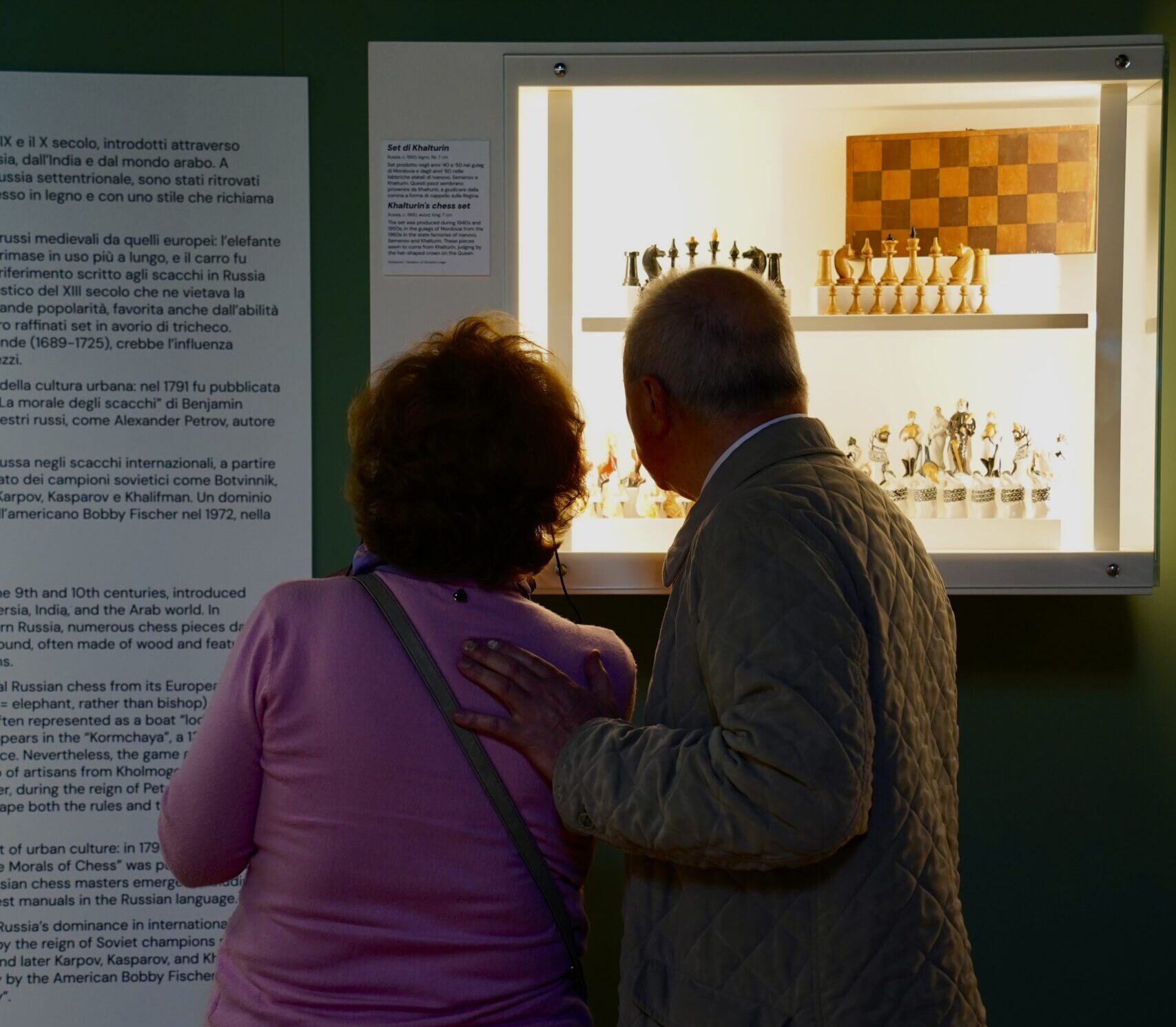
Today, the Lower Castle is fully accessible to visitors, offering a complete view of the entire town of Marostica.